For years, Deep Heat had become synonymous with a very particular image: silver-haired gardeners, creaky joints and back pain. The problem wasn't just affecting the brand, it was affecting the entire category.
The topical pain relief market had remained largely static for four years. Its core audience was ageing, and many consumers were either developing chronic conditions such as arthritis, for which products like Deep Heat are not suitable, or simply leaving the category altogether. At the same time, own-label competitors were attracting increasingly price-conscious shoppers who saw little reason to pay a premium.
The category had created a perception problem for itself. Advertisements felt dated, relevance was declining, and younger, active consumers didn't see brands like Deep Heat as part of their lives.
Deep Heat needed to break free from these stereotypes and reposition itself as a modern essential for active bodies, not just ageing ones.
Our mission was clear: reignite the brand, reframe the conversation and unlock a new generation of users.
The Brief
Rather than trying to convince an entirely new audience that pain relief mattered, we looked for consumers who already had a genuine need for it.
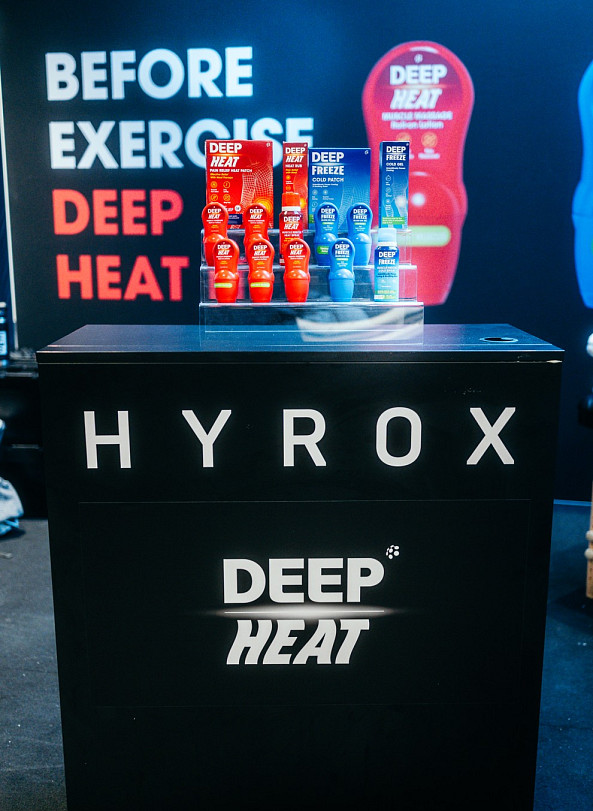
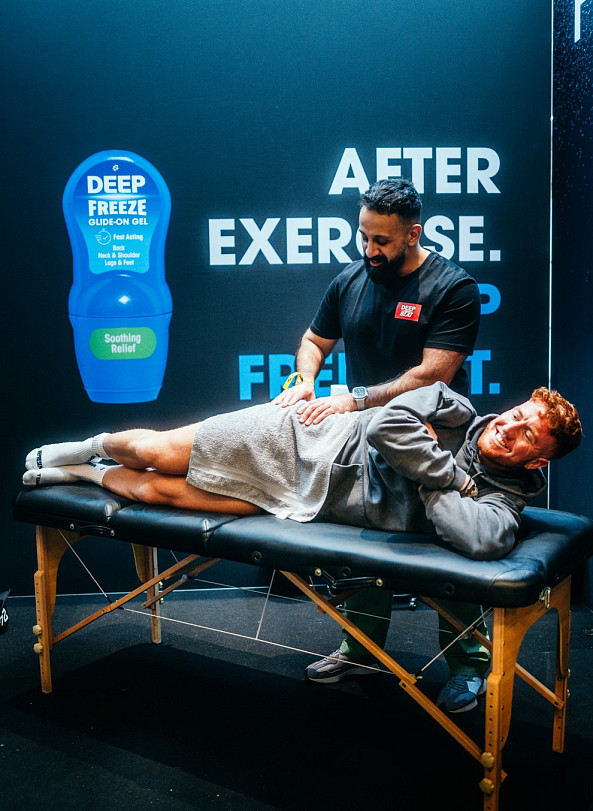
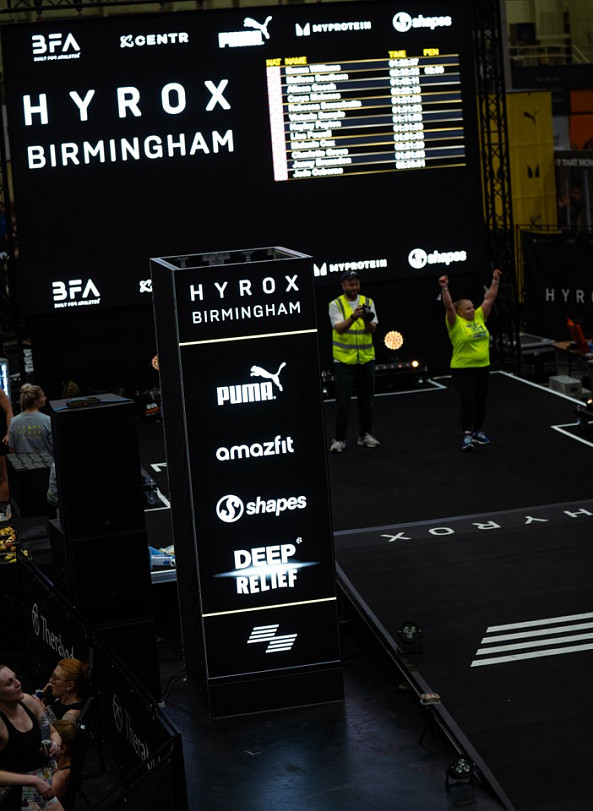
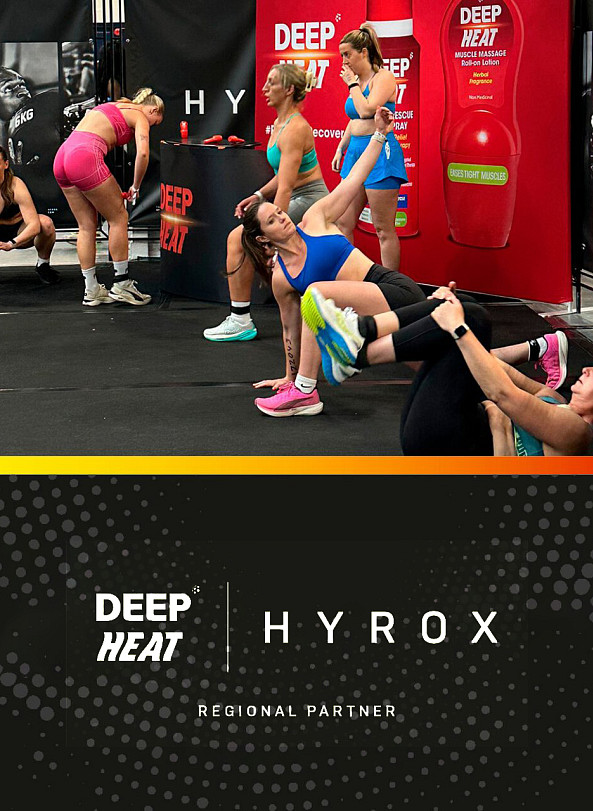
This led us to the rapidly growing CrossFit and HIIT community.
These weren't occasional gym-goers. They were highly engaged fitness enthusiasts constantly pushing themselves, regularly dealing with muscle soreness and recovery, and actively seeking ways to improve performance. Importantly, they were also incredibly influential. Recommendations travelled through gyms, running clubs, five-a-side teams and WhatsApp groups, making them powerful advocates for brands they genuinely believed in.
At the same time, we identified a gap in the fitness content landscape. Social media was full of workout plans, nutrition advice and training programmes, but conversations around preparation and recovery were being largely ignored.
We saw an opportunity for Deep Heat to become part of that conversation.