the7stars

Suzuki

Buying a new car is one of the biggest purchases most families make.

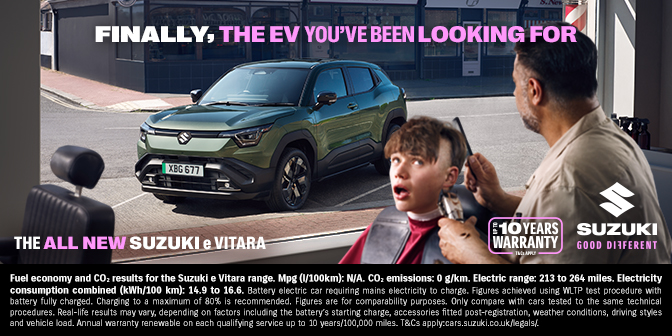
When it came to launching the E Vitara, Suzuki's first-ever electric vehicle, the challenge wasn't simply introducing a new model. It was introducing a new chapter for the brand.

As Suzuki entered the EV market, it found itself competing against some of the biggest automotive advertisers in the world, alongside a growing wave of well-funded challenger brands. While competitors could rely on huge media budgets to dominate the conversation, Suzuki needed to make an impact without matching their spending power.

The E Vitara represented more than a vehicle launch. It signalled Suzuki's future direction as a brand. We needed to ensure it earned a place on the consideration list of potential buyers despite entering one of the most crowded and competitive advertising categories in the UK.

The Brief

Suzuki's audience wasn't made up of technology enthusiasts rushing to be first.

Instead, we were targeting what we call "Inbetweeners" - value-driven families who wanted to adopt greener technology but preferred to wait until it felt practical, proven and relevant to their lives.

These consumers were often balancing work, family commitments and busy schedules, leaving little time for researching their next vehicle purchase. We also knew that buying a car is rarely a quick decision, with the process often taking up to 90 days from initial consideration to purchase.

Previous campaigns had consistently shown that awareness was one of the biggest drivers of enquiry and order interest. The task was therefore not simply to reach people, but to create memorable visibility throughout a long decision-making process.
What We Did

Rather than trying to outspend competitors, we looked for a way to outmanoeuvre them.

An analysis of competitor activity revealed that most automotive brands spread their media investment relatively evenly across the week. Everyone was trying to be visible all the time.

Our audience insight told a different story.

For our target consumers, weekends were when life decisions happened. It was when families found time to discuss major purchases, tackle household admin and actively research their next car.

This insight led to a simple strategic principle: don't compete every day, win the weekend.

Instead of spreading budget thinly across the week, we concentrated activity around the moments when consideration was naturally highest.

Across TV, BVOD, Out of Home and radio, the campaign was designed to dominate the start of the weekend and remain highly visible through to Sunday evening. Premium entertainment programming, major sporting moments and family viewing environments ensured we reached audiences when they were most engaged.

The strategy culminated in a series of standout moments, including a nationwide digital Out of Home roadblock and a simultaneous network-wide radio takeover, helping the E Vitara feel bigger, louder and more culturally present than the budget might otherwise have allowed.

Every decision was driven by one objective: make Suzuki the brand people were thinking about when they started thinking about their next car.

The Results

The strategy proved that effective planning can achieve more than simply spending more.

By concentrating activity around the moments that mattered most, Suzuki achieved a 46% share of voice against its core competitor set despite competing with significantly larger automotive brands.

More importantly, awareness translated into commercial performance.

October delivered a 65% increase in market share of new registrations compared with the same month the previous year, helping make the E Vitara launch one of Suzuki's most successful new vehicle introductions in recent years.

By refusing to compete all week and instead owning the moments when purchase decisions were most likely to happen, Suzuki transformed a modest budget into a launch that punched well above its weight.

65% increase in market share of new registrations

46% SOV vs core competitor set

Play